The Essentials of Construction Painting Services
When you invest in a new building or renovation, the finishing touches matter greatly. Painting is not just about color; it is about protection, aesthetics, and longevity. Understanding the essentials of construction painting services will help you make informed decisions that enhance your property’s value and appeal. This guide will walk you through the key aspects you need to know to achieve a flawless finish.
Understanding Construction Painting Services
Construction painting services cover a broad range of tasks related to applying paint and finishes to new or renovated structures. These services include surface preparation, priming, painting, and sometimes specialty finishes. The goal is to protect surfaces from damage while creating an attractive appearance.
Professional painters use specific techniques and materials suited to the type of construction and environment. For example, exterior walls require weather-resistant coatings, while interiors may focus on durability and ease of cleaning. Knowing what to expect from these services helps you communicate your needs clearly and ensures the best results.
Key Components of Construction Painting
Surface Preparation: Cleaning, sanding, and repairing surfaces to ensure paint adhesion.
Priming: Applying a base coat to seal surfaces and improve paint coverage.
Painting: Using the right type of paint and application method for the surface.
Finishing: Adding protective or decorative coatings as needed.
Each step is crucial. Skipping or rushing any part can lead to peeling, cracking, or uneven color.
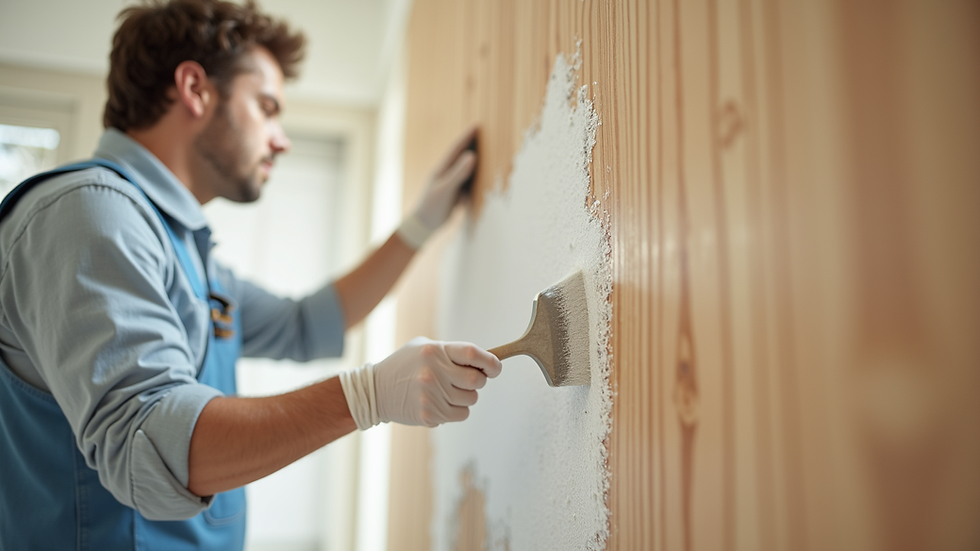
Choosing the Right Materials and Techniques
Selecting the appropriate materials and techniques is essential for a durable and attractive finish. Different surfaces and environments require different types of paint and application methods.
Paint Types
Latex Paint: Common for interiors due to easy cleanup and low odor.
Oil-Based Paint: Offers a hard, durable finish, ideal for trim and high-traffic areas.
Acrylic Paint: Excellent for exterior surfaces because of its flexibility and resistance to weather.
Epoxy and Polyurethane: Used for floors and surfaces requiring extra durability.
Application Methods
Brush: Best for detailed work and small areas.
Roller: Efficient for large, flat surfaces.
Spray: Provides a smooth, even coat on irregular surfaces or large projects.
Discuss with your painting contractor which materials and methods suit your project. They will consider factors like surface type, exposure to elements, and desired finish.
Preparing Your Property for Painting
Proper preparation is vital to ensure the painting process goes smoothly and the results last. You can take several steps to prepare your property before the painters arrive.
Interior Preparation
Remove furniture or cover it with protective sheets.
Clean walls and ceilings to remove dust and grease.
Repair holes, cracks, or imperfections.
Ensure good ventilation during painting.
Exterior Preparation
Clear the area around the building.
Wash surfaces to remove dirt, mildew, and loose paint.
Repair damaged siding, trim, or stucco.
Protect landscaping and outdoor fixtures.
By preparing your property, you help the painters work efficiently and reduce the risk of damage or delays.

The Role of Professional Expertise in Construction Painting Services
Hiring experienced professionals for construction painting services ensures quality and peace of mind. Skilled painters understand the nuances of different surfaces and climates, especially in regions like the Monterey Peninsula where weather conditions can affect paint performance.
Benefits of Professional Painting
Accurate Surface Assessment: Identifying issues that may affect paint adhesion.
Proper Material Selection: Choosing paints and primers suited to your property.
Efficient Application: Using techniques that minimize waste and maximize coverage.
Safety Compliance: Following safety standards for working at heights or with hazardous materials.
Warranty and Support: Providing guarantees on workmanship and materials.
Professional painters also save you time and effort, allowing you to focus on other aspects of your project.
Maintaining Your Painted Surfaces
After investing in quality construction painting services, maintaining your painted surfaces is essential to preserve their appearance and protection.
Routine Maintenance Tips
Clean surfaces regularly with mild soap and water.
Inspect for signs of wear, such as peeling or fading.
Touch up small damaged areas promptly to prevent further deterioration.
Schedule professional inspections every few years to assess the condition.
Proper maintenance extends the life of your paint job and keeps your property looking fresh and well cared for.
Enhancing Your Space with Expert Painting
Choosing the right painting services can transform your new construction into a welcoming and beautiful space. Whether you want a classic look or a modern finish, expert painters can help you achieve your vision with precision and care.
Remember, investing in quality painting is investing in your property’s future. For those seeking reliable and skilled new construction painting services, partnering with experienced professionals ensures your project is completed on time and to the highest standards.
Take the first step toward a flawless finish by consulting with your painting contractor today. Your property deserves the best, and with the right approach, you will enjoy stunning results for years to come.


Comments